
Transportation Secretary Sean Duffy says he has invited SpaceX to provide input on improving the Federal Aviation Administration’s air traffic control system, reaching out to a company that has previously been at odds with the agency.
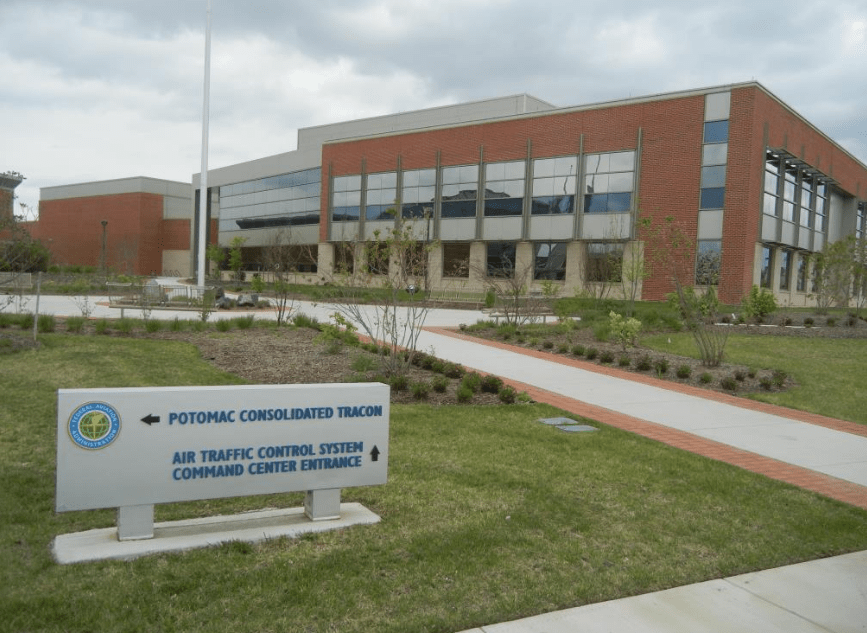
In a social media post published on February 16, Duffy said SpaceX employees would visit the FAA’s air traffic control command center in Northern Virginia on February 17.
“Tomorrow, SpaceX team members @elonmusk will visit the Virginia Air Traffic Control System Command Center to see the current system firsthand, learn what air traffic controllers like and dislike about their current tools, and envision how we can build a new, better, more modern, and safer system,” he wrote.
“Air travel safety is a non-partisan issue. SpaceX engineers will help make air travel safer,” Elon Musk, SpaceX CEO, responded in another post.
Neither Duffy nor Musk specified how SpaceX would contribute to modernizing FAA air traffic control systems, and it was not clear what expertise SpaceX could offer.
Solving existing problems
Musk’s role as the de facto head of the Department of Government Effectiveness (DOGE), the revamped U.S. digital services organization now charged, according to the January 20 executive order, with “maximizing government efficiency and productivity,” has raised numerous concerns about conflicts of interest, given Musk’s management of SpaceX and other companies.
These concerns extend to the FAA.
“Elon Musk’s SpaceX rocket launches share airspace with commercial aircraft, and the FAA is responsible for keeping all airspace safe.”
Senator Maria Cantwell (Washington), a senior member of the Senate Commerce Committee, wrote in a letter to Duffy on February 6.
“Secretary Duffy, you must ensure that all conflicts of interest between the FAA and Elon Musk are resolved.”
Cantwell’s letter focused on the FAA’s oversight of SpaceX launches and the sometimes volatile relationship between the company and the agency. This extended to the use of airspace, particularly during Starship’s last test flight on January 16. When the vehicle broke apart during flight and sprinkled debris on part of the northern
Past failures
This has drawn criticism from some aviation professionals.
“SpaceX put people in harm’s way yesterday, and their for-profit corporation should reimburse all other for-profit corporations that were forced to divert, reroute, or delay due to their operations in the national airspace system.”
Steve Gangelis, the Airline Pilots Association’s aviation safety chairman, wrote about this in a social media post after the incident.
During a panel discussion at the 27th Annual Commercial Space Conference on February 12, Shana Diez, director of Starship Flight Reliability at SpaceX, said the company coordinates with the Federal Aviation Administration’s (FAA) Air Traffic Organization to report launches in the airspace.
“We work very closely with the ATO. We have a great relationship with them,” she said.
One area of improvement she mentioned was real-time information on launches.
“This is the answer to that question,” she said of problems with airspace closures for launches or in the event of incidents such as the Starship disintegration. “It would be good for the whole industry.”
Diez said SpaceX had coordinated “debris response zones” with the ATO in advance for the January launch, as it had on previous flights. But this was the first time the zones were activated.
“It was only a matter of minutes from the moment it was activated to the moment the airspace started to clear,” she said, which was enough time, given the time it would take for the debris to fall into the airspace. The airspace was cleared in about 15 minutes, she added.
These debris response zones were developed in coordination with the FAA’s Commercial Space Transportation Administration, or AST, Kathy Cranor, acting deputy director of AST’s Office of Operations Safety, said on the same panel. After the accident, she said, “only some areas of the debris removal zones were activated to allow traffic to still move freely.”
Diez admitted that during the January launch, the airspace was closed longer than necessary.
“We cleared the airspace longer than we would have liked, and that’s an improvement we want to discuss,” she said, adding that it was done” out of an abundance of caution.”