
On April 30, in a move aimed at reducing greenhouse gas emissions from air travel, the Biden administration released new guidelines on how fuel producers – particularly corn ethanol producers – can claim tax credits under a plan to increase the supply of so-called sustainable aviation fuel.
It is tough to switch away from traditional jet fuel for airplanes. There are very few alternatives available to get an airplane off the ground. The global aviation sector accounts for approximately 3 percent of total emissions. Today, most jet fuel is made from fossil fuels.
The proposed guidelines could have serious implications for corn-growing countries. The recommendations suggest farmers use climate-friendly methods to grow crops such as corn or soybeans. Which are used in alternative fuels such as ethanol.
President Biden’s 2022 Inflation Reduction Act proposed federal tax credits for clean jet fuel and industry jargon for jet fuel. It is also made without fossil fuels, which would reduce greenhouse gas emissions by at least 50 percent. For several months now, federal officials have been evaluating studies to decide how to determine whether various biofuel-based alternatives meet this standard.
Clean jet fuel is already being added to traditional aviation fuel from time to time, albeit in small, single-digit percentages. This scale is well below the government’s goal of 3 billion gallons per year by 2030. Most of it is made from used cooking oil, costing two to four times more than jet fuel.
Corn as a fuel
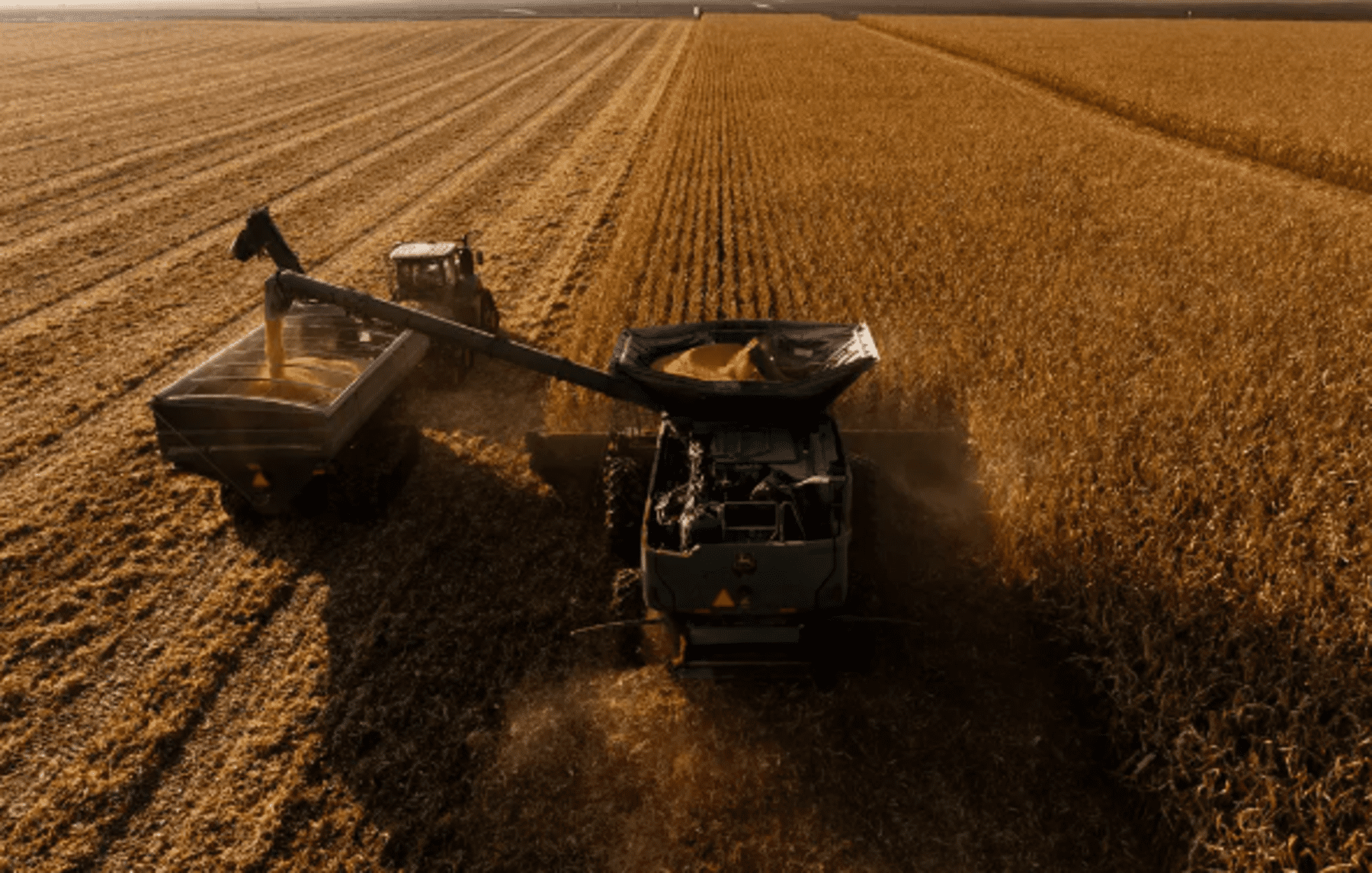
Nearly 40 percent of U.S. corn production already goes into distilling ethanol fuel, which is blended into gasoline. While ethanol can now feasibly be blended into jet fuel, uncertainty over how its production can meet strict carbon and land use requirements has prevented it from being included in the mix. Corn production is also water-intensive, and a New York Times study last year found that in some places, it uses sensitive aquifers.
The Biden administration has introduced a new pilot program to use corn ethanol as jet fuel. That can qualify for tax incentives if certain climate-friendly farming practices are combined. These include no-till farming, which minimizes erosion, and covering the soil with crops that leave organic matter in the dirt. The program sets similar guidelines for soybeans.
The new formula for tax credits—which is 40 pages long, highly technical, and still to be finalized—will also consider whether producers use carbon capture and storage, low-emission natural gas, and renewable electricity in their processes.
“The incentives in the law help to increase the production of low-carbon fuels and reduce emissions in the aviation sector, one of the most challenging sectors of our economy to transition,” Treasury Secretary Janet L. Yellen said in a press release.
Agriculture Secretary Tom Vilsack said the guidance recognizes “the important role farmers can play in reducing greenhouse gas emissions. And it begins to reward them by contributing to producing new fuels.”
Environmental groups have been skeptical that some of the practices detailed in the new guidelines are as helpful in preventing climate change as government officials say they are. Mark Brownstein, senior Environmental Defense Fund vice president, said he was reviewing the proposed guidelines. But “we are concerned that this decision may have been inappropriate.”
The powerful corn and ethanol industries were closely watching the Biden administration’s announcement to see how much corn farmers and ethanol producers would have to adapt and how much detailed record-keeping they would have to do to take advantage of the tax breaks.
“Of course, we understand that there will be a certain level of rigor required,” said Jeff Cooper, president of the Renewable Fuels Association, a leading ethanol lobbying group. “It’s a balancing act. And there’s no way the U.S. will produce 3 billion gallons by 2030 if corn ethanol isn’t part of that picture.”
Ambitious goals
Although the United States has set ambitious production goals, building a supply chain will take years. The United States has no single large-scale jet fuel production plant. The stated goal of the Biden administration is to rapidly increase production to meet all domestic jet fuel demand by 2050.
Europe is at least slightly ahead. The European Union intends to introduce a blending mandate that will require airports to supply jet fuel with a 2 percent blend starting in 2025.
Ethanol producers are looking for new sales avenues for their products as using electric vehicles reduces demand for gasoline. And with national elections in the United States set for November, politicians could benefit from expanding incentives that are politically popular in the Corn Belt states.
On Monday, major airlines, including American, Alaska, Hawaiian, JetBlue, and United, announced a partnership with dozens of other organizations, including agribusinesses, aircraft manufacturers, airports, labor unions, and biofuel producers, to increase sustainable jet fuel production.
“The group believes in the importance of ethanol to help our industry decarbonize,” said Lauren Riley, United Airlines’ chief sustainability officer.